
Recommended Reading
Books can play a powerful role in the healing process, offering support, insight, and a sense of connection during difficult times. They can help put words to complex emotions, provide new ways of understanding personal experiences, and remind readers that they are not alone in what they’re facing. Some might help to gently challenge unhelpful patterns of thinking, while others offer comfort, validation, or practical tools for growth. The books listed below have been meaningful and influential reads over time, offering perspectives and ideas that have stayed with me.

Waking the Tiger: Healing Trauma is a concise introduction to how trauma affects the body and nervous system, and how it can be gently released through increased awareness of physical sensations. It’s especially helpful for people dealing with trauma, anxiety, or stress, as well as for therapists or anyone interested in understanding the body’s role in emotional healing. Written by Peter A. Levine, who developed Somatic Experiencing, a body-based approach to trauma recovery.

What Happened to You? explains how early life experiences, especially trauma, shape brain development, behavior, and emotional responses, while encouraging a shift from asking “What’s wrong with you?” to “What happened to you?”. It’s helpful for people seeking to understand themselves or others more deeply, as well as for caregivers, educators, and those interested in trauma-informed perspectives. Written by Bruce D. Perry, a leading expert in childhood trauma, in collaboration with Oprah Winfrey.

The Tao of Fully Feeling explores the importance of fully experiencing and processing emotions in order to heal and develop a stronger sense of self. It’s particularly helpful for people working through complex trauma, emotional neglect, or difficulties with self-compassion, as well as for those interested in deeper emotional awareness and recovery. Written by Pete Walker, a therapist known for his work on complex trauma and recovery from childhood emotional neglect.

The Myth of Normal: Trauma, Illness, and Healing in a Toxic Culture examines how modern society contributes to chronic stress, trauma, and illness, and challenges common assumptions about what is considered “normal.” It’s especially helpful for people interested in understanding the broader cultural and emotional roots of health issues, as well as those exploring trauma, stress, and pathways to healing. Written by Gabor Maté, a physician known for his work on trauma, addiction, and mind–body health.
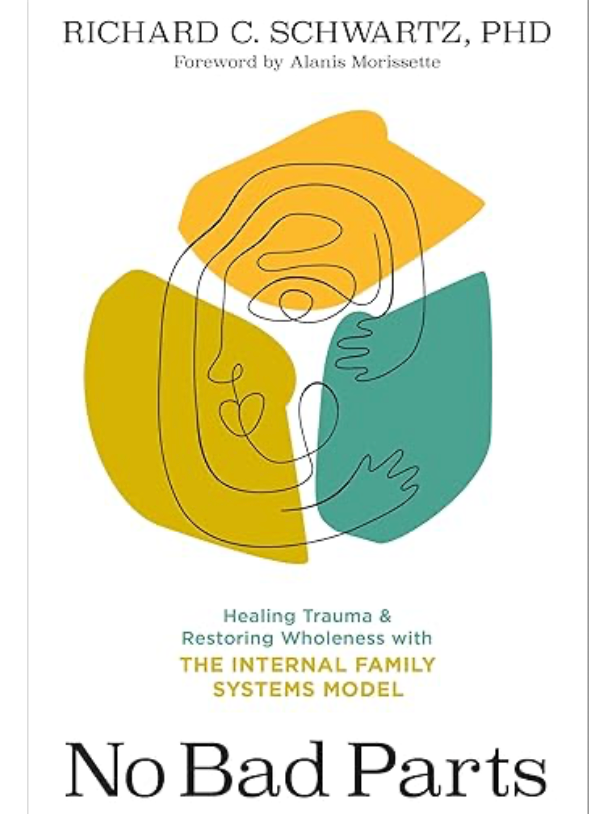
No Bad Parts: Healing Trauma and Restoring Wholeness with the Internal Family Systems Model introduces the idea that the mind is made up of different “parts,” all of which have positive intentions, even when they cause distress. It offers a compassionate approach to understanding inner conflict and healing trauma through self-awareness and acceptance. It’s especially helpful for people exploring internal family systems (IFS), trauma recovery, or self-compassion practices. Written by Richard C. Schwartz, the founder of the Internal Family Systems (IFS) model.
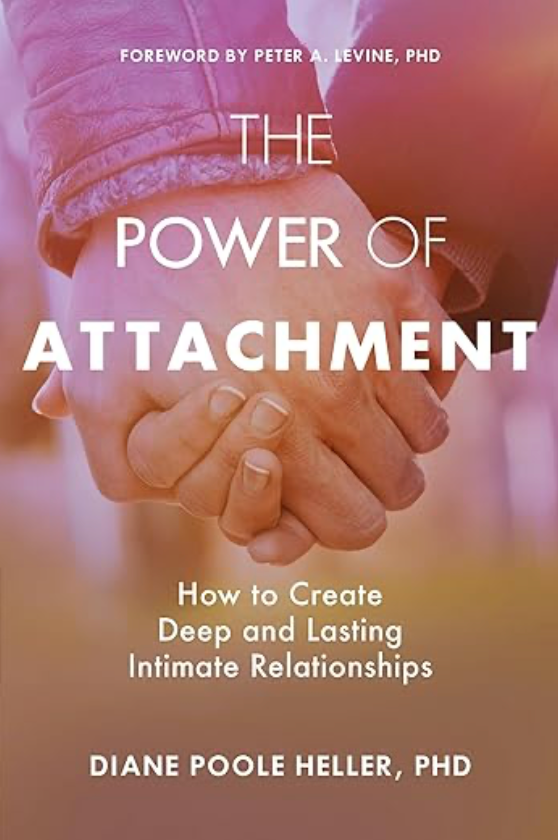
The Power of Attachment: How to Create Deep and Lasting Intimate Relationships explores how early attachment patterns shape relationships, emotional wellbeing, and a sense of safety with others, while offering practical ways to move toward more secure and fulfilling connections. It’s especially helpful for people working through attachment trauma, relationship difficulties, or a desire to build healthier relational patterns. Written by Diane Poole Heller, a clinician known for her work in trauma resolution and attachment-based healing approaches.

Trauma-Proofing Your Kids: A Parent’s Guide for Instilling Confidence, Joy and Resilience offers practical guidance for helping children build resilience, emotional awareness, and a strong sense of safety in the face of stress or adversity. It’s especially useful for parents, caregivers, and professionals who want to support healthy emotional development and reduce the impact of traumatic experiences. Written by Peter A. Levine and Maggie Kline, both of whom focus on somatic and attachment-based approaches to trauma healing in children and adults.

The Book You Wish Your Parents Had Read (and Your Children Will Be Glad That You Did) offers thoughtful insights into how early relationships shape emotional development and how parents can build more connected, empathetic relationships with their children. It’s especially helpful for parents, caregivers, and anyone reflecting on how their upbringing influences current relationships and emotional patterns. Written by Philippa Perry, a therapist known for her accessible work on parenting and emotional wellbeing.

Yoga and the Psyche: Integrating the Paths of Yoga and Psychology for Healing, Transformation, and Freedom explores how yoga philosophy and psychological insight can be integrated to support healing, self-understanding, and personal transformation. It is especially helpful for readers interested in mindfulness-based practices, trauma-informed approaches to wellbeing, and the connection between spiritual traditions and modern psychology. Written by Mariana Caplan, a writer and educator known for her work bridging contemplative traditions with psychological and therapeutic perspectives.

Healing the Shame That Binds You explores how toxic shame develops, often in childhood, and how it can deeply influence self-worth, relationships, and behaviour. It offers a compassionate framework for understanding shame and practical steps toward healing and reclaiming a healthier sense of self. It’s especially helpful for people working through shame, emotional neglect, addiction recovery, or patterns of low self-esteem. Written by John Bradshaw, a therapist and public speaker known for his work on family systems, inner child healing, and recovery from toxic shame.

Self-Compassion: The Proven Power of Being Kind to Yourself explains how treating yourself with kindness, rather than harsh self-criticism, leads to greater emotional resilience and well-being, combining research, exercises, and personal insights. It’s especially helpful for people struggling with self-judgment or low self-worth, as well as anyone interested in psychology-based self-growth. However, some readers may find parts repetitive or overly focused on theory. Written by Kristin Neff, a leading researcher in the field.

Why Zebras Don’t Get Ulcers explains how stress affects the body, particularly how chronic psychological stress can contribute to physical and mental health problems. Using clear science and accessible examples, it contrasts short-term, survival-based stress responses (like those seen in animals) with the long-term, ongoing stress often experienced by humans. It’s especially helpful for people interested in stress physiology, anxiety, burnout, and the mind–body connection. Written by Robert M. Sapolsky, a Stanford University professor known for his research on stress, behavior, and neurobiology.

The Brain That Changes Itself explores the concept of neuroplasticity, showing how the brain is capable of changing and adapting throughout life in response to experience, learning, and recovery. It includes real-life case studies that illustrate how people have improved or recovered from a range of neurological and psychological challenges. It is especially helpful for readers interested in neuroscience, healing, learning, and the science behind change and recovery. Written by Norman Doidge, a clinician and researcher known for popularising neuroplasticity in accessible, case-based writing.

Living an Examined Life reflects on the importance of self-inquiry and psychological depth, encouraging readers to look beyond surface-level narratives in order to understand the unconscious influences shaping their lives. It explores themes such as meaning, responsibility, and personal growth through a Jungian lens. It is especially helpful for those interested in depth psychology, life transitions, or questioning long-held patterns and beliefs. Written by James Hollis, a psychologist known for his work on Jungian psychology and adult development.

The Eden Project: In Search of the Magical Other explores the dynamics of romantic relationships and the unconscious expectations people often bring into them, particularly the tendency to project inner needs onto a partner. It offers a psychological perspective on how relationships can become a path toward greater self-awareness and personal growth. It is especially helpful for readers interested in relationship patterns, individuation, and Jungian depth psychology. Also written by James Hollis.

The Great Work of Your Life explores the idea of dharma, living in alignment with one’s deeper purpose, and how discovering and following this path can bring meaning and fulfillment. Drawing on stories from the Bhagavad Gita and real-life examples, it reflects on how people often resist or delay their sense of calling. It’s especially helpful for readers interested in purpose, personal growth, and integrating spiritual wisdom with everyday life. Written by Stephen Cope, a scholar and educator known for his work on yoga philosophy and applied spirituality.
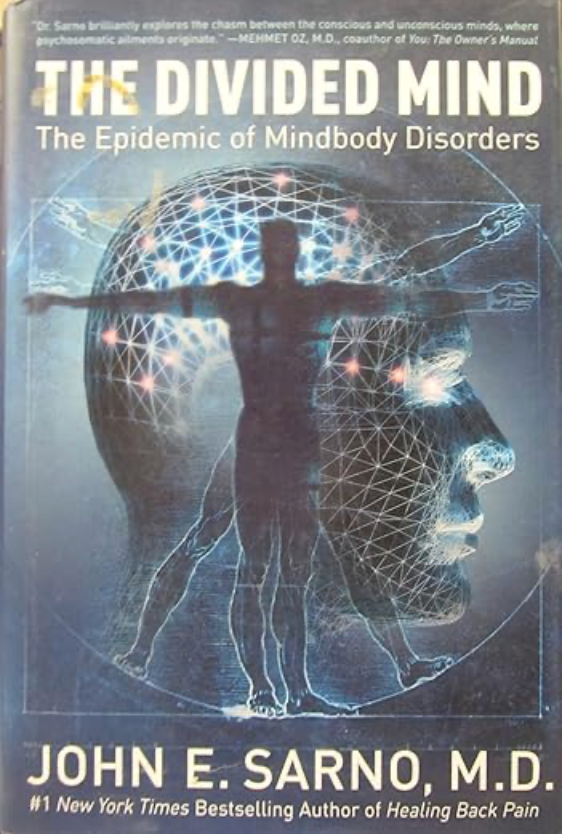
The Divided Mind: The Epidemic of Mindbody Disorders examines the connection between emotional stress and chronic physical pain, proposing that many conditions have a psychological rather than purely structural origin. It is especially relevant for people struggling with persistent pain, stress-related symptoms, or those exploring the mind–body relationship in healing. Written by John E. Sarno, a doctor known for his work on mind–body medicine and the treatment of chronic pain syndromes.

The Four Agreements presents a simple framework for personal freedom and emotional wellbeing based on four guiding principles related to speech, assumptions, effort, and authenticity. It is especially helpful for readers interested in self-development, breaking unhelpful thought patterns, and cultivating greater inner peace and clarity in relationships. Written by Don Miguel Ruiz, a writer known for sharing teachings rooted in Toltec wisdom traditions.